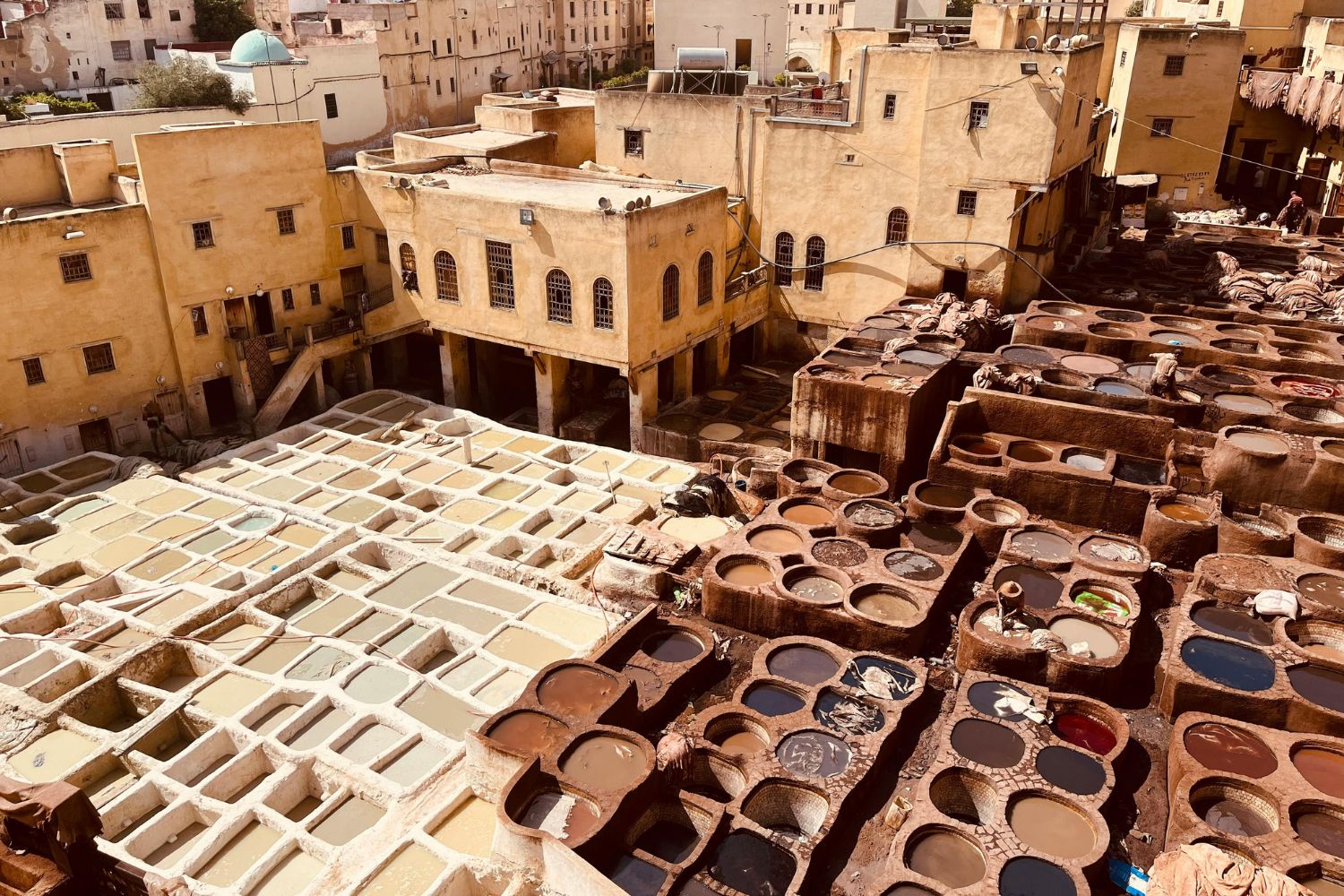
Human beings used the leather of hunted animals to protect themselves from the cold, build shelters, carry objects, and store food in prehistoric times long before weaving and spinning existed.
The problem was that raw hides deteriorated quickly.
The earliest preservation methods likely arose through observation:
sun drying;
smoking near a fire;
application of animal fats;
immersion in water with bark and plant-based substances.
Without realizing it, prehistoric populations were already experimenting with the chemical principles that would later form the basis of leather tanning.
Ancient civilizations: when hides became technology
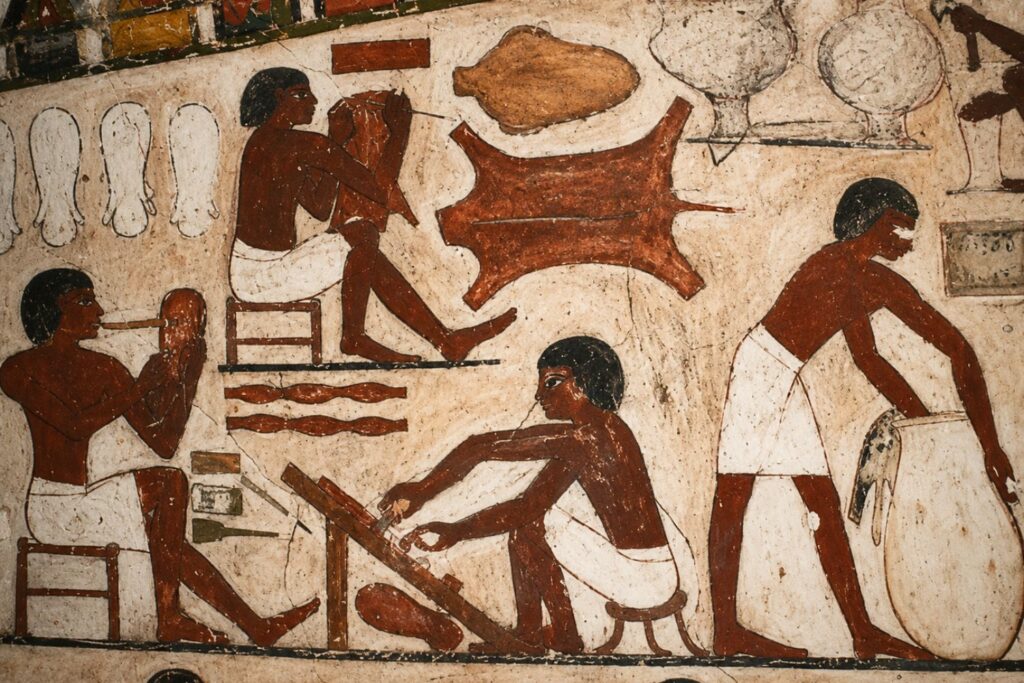
With the rise of the first civilizations, leather ceased to be merely a necessity and became a specialized craft. In the Mesopotamian region, there is very ancient evidence of tanning practices, as well as documents describing activities related to the transformation of hides dating back to the 2nd millennium B.C.
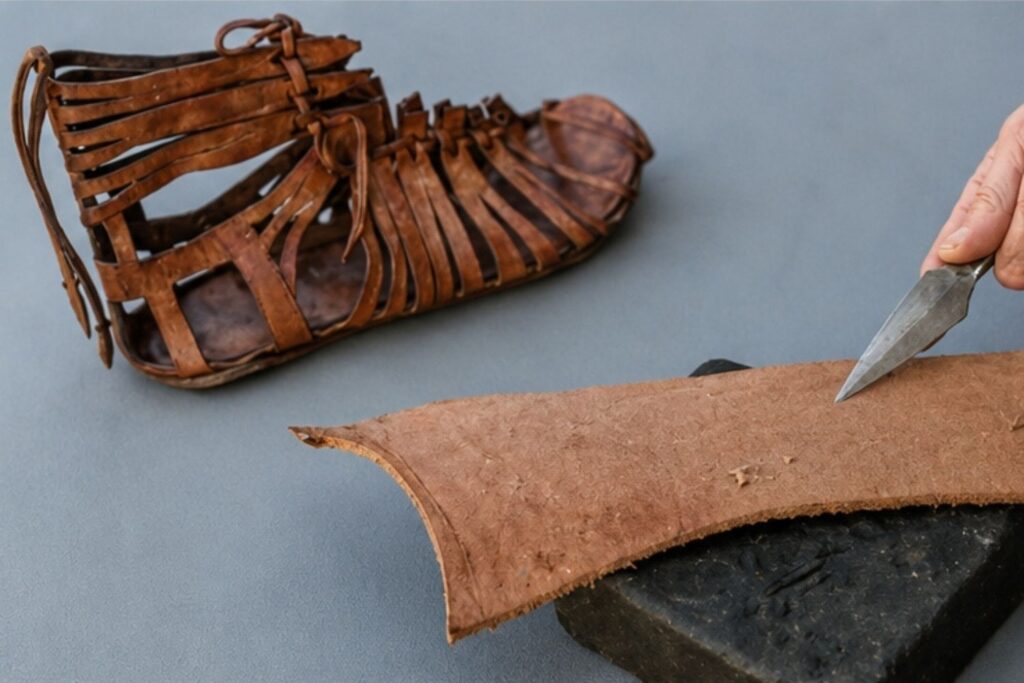
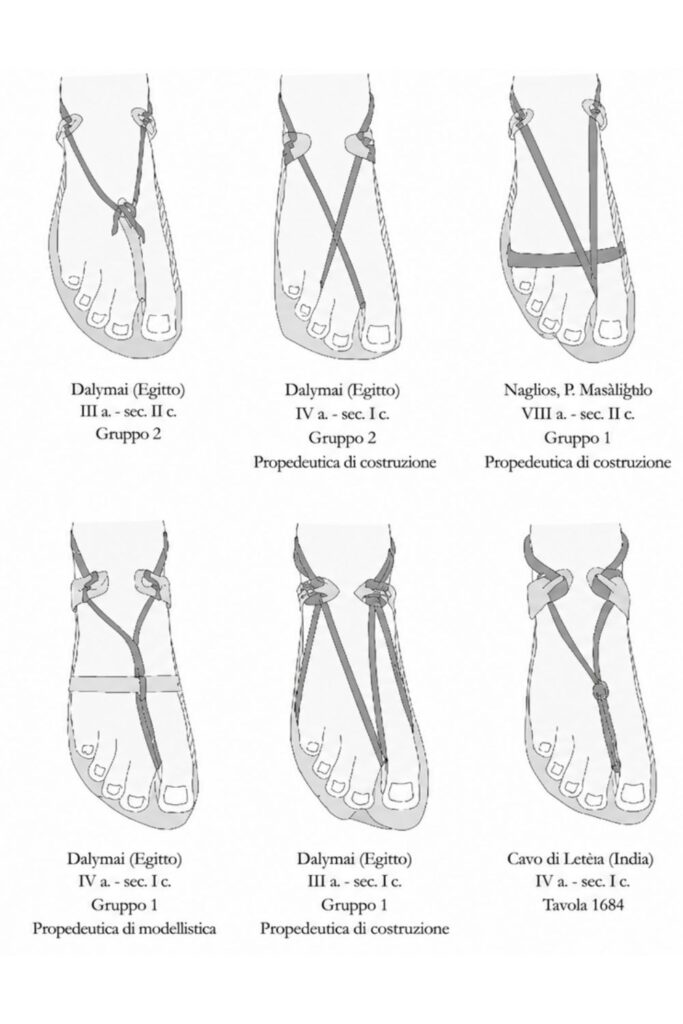
Leather was already widely used by the ancient Egyptians for a variety of purposes. Some examples include:
sandals;
belts;
containers;
decorative items;
military equipment.
Other notable examples of leather use can be found among the ancient Greeks and Romans. The ancient Greeks refined vegetable tanning techniques, while the ancient Romans developed leather production on an almost industrial scale to support their armies, transportation systems, and trade activities.
Leather became an integral part of everyday life in the form of footwear, lightweight armour, harnesses, and various tools.
The Middle East and the Art of tanning
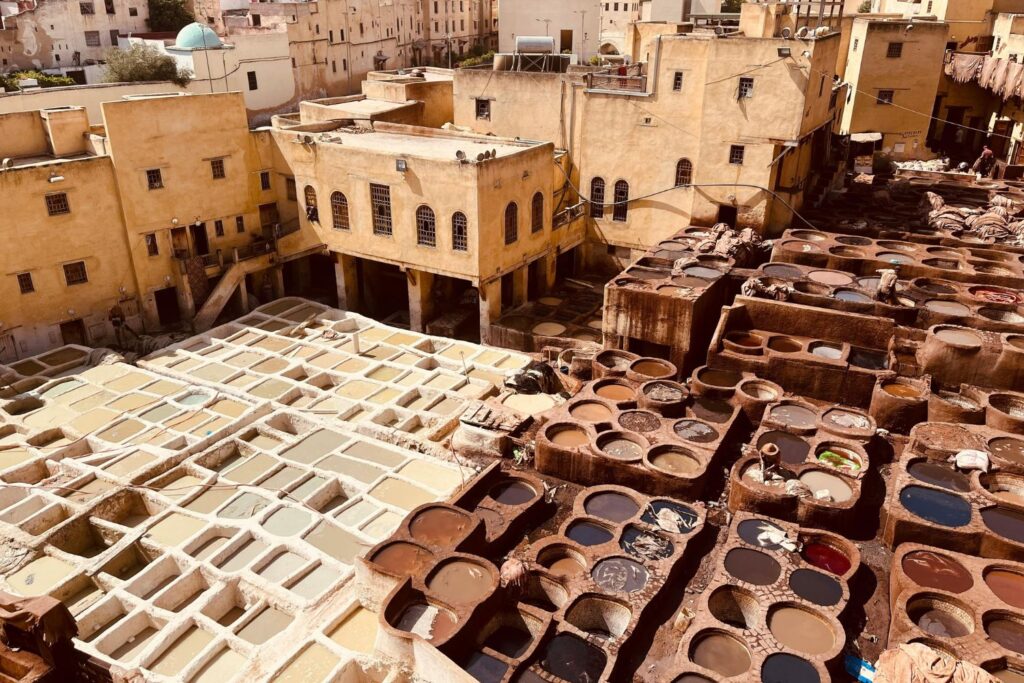
One of the most important milestones in the history of leather occurs between the Middle East and North Africa.
Arab tanning traditions contributed to the spread of decorative and finishing techniques that transformed leather into an artistic material as well as a functional one. From these regions, tanning knowledge gradually spread toward the Mediterranean and Europe.
The city of Córdoba became, over the centuries, a European reference point for finely decorated and crafted leather, leaving a mark even on the historical language of the sector.
Middle Ages in Europe: the emergence of tanners
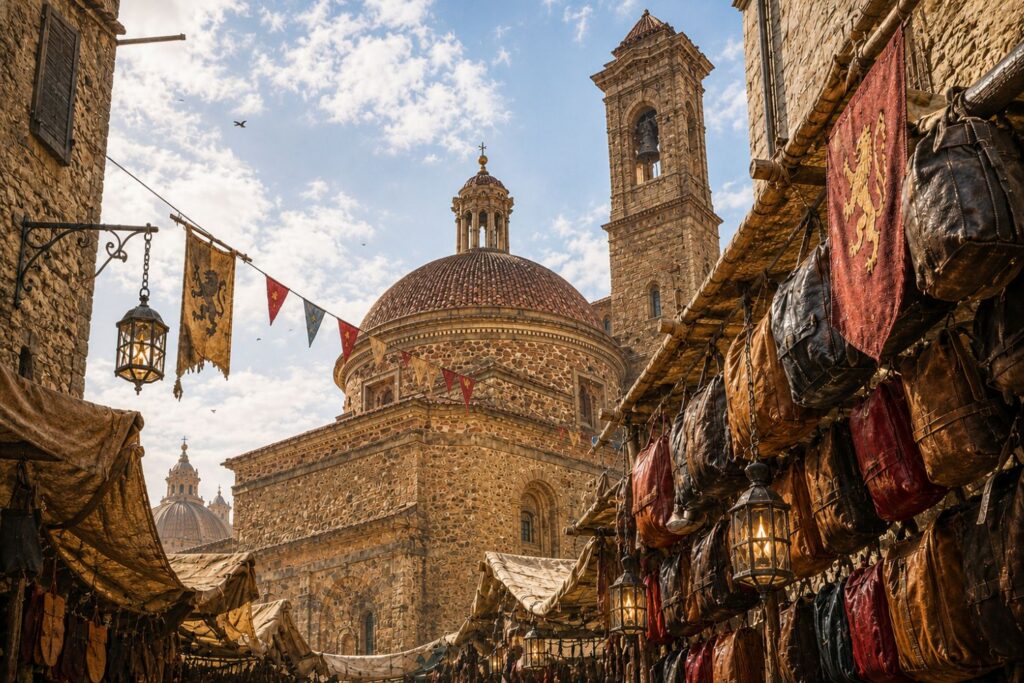
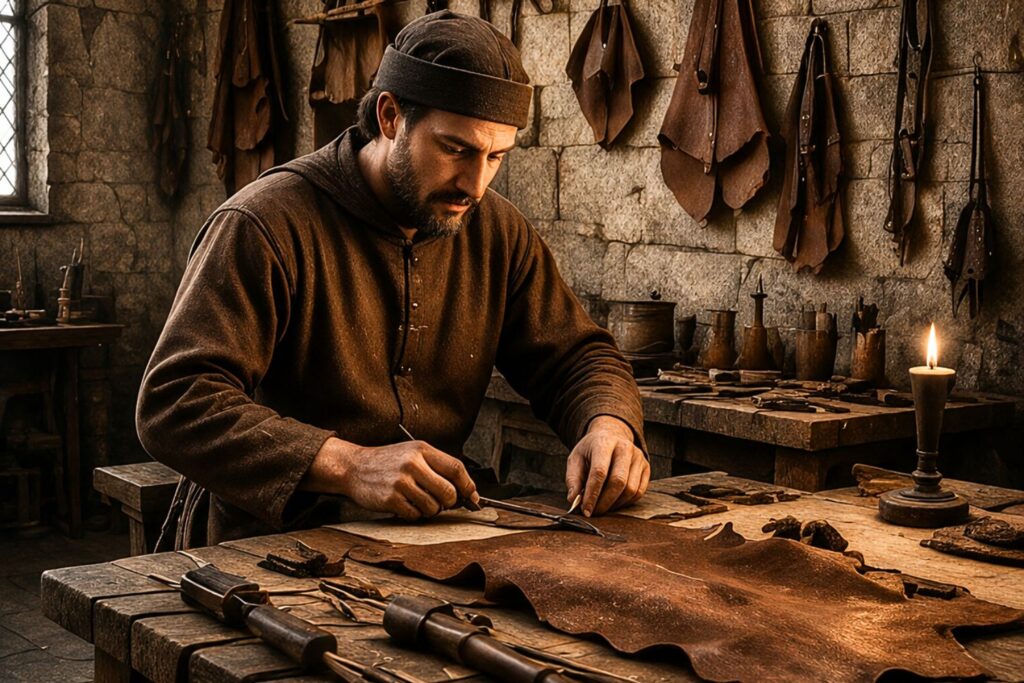
In the Middle Ages, leather became firmly established in the urban economy. Corporations, specialized workshops, and production districts emerged. Tanneries were often built near rivers because large amounts of water were needed for processing hides.
In Italy, the tanning tradition developed strongly and found in Tuscany one of the most representative regions of leather craftsmanship.
From the Industrial Revolution to contemporary leather
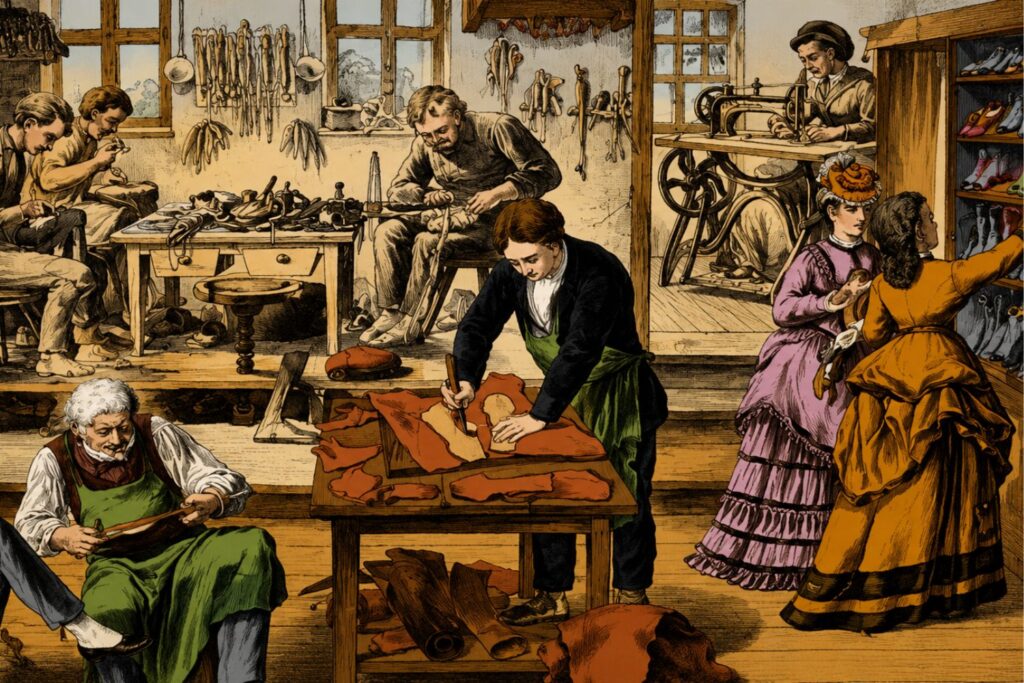
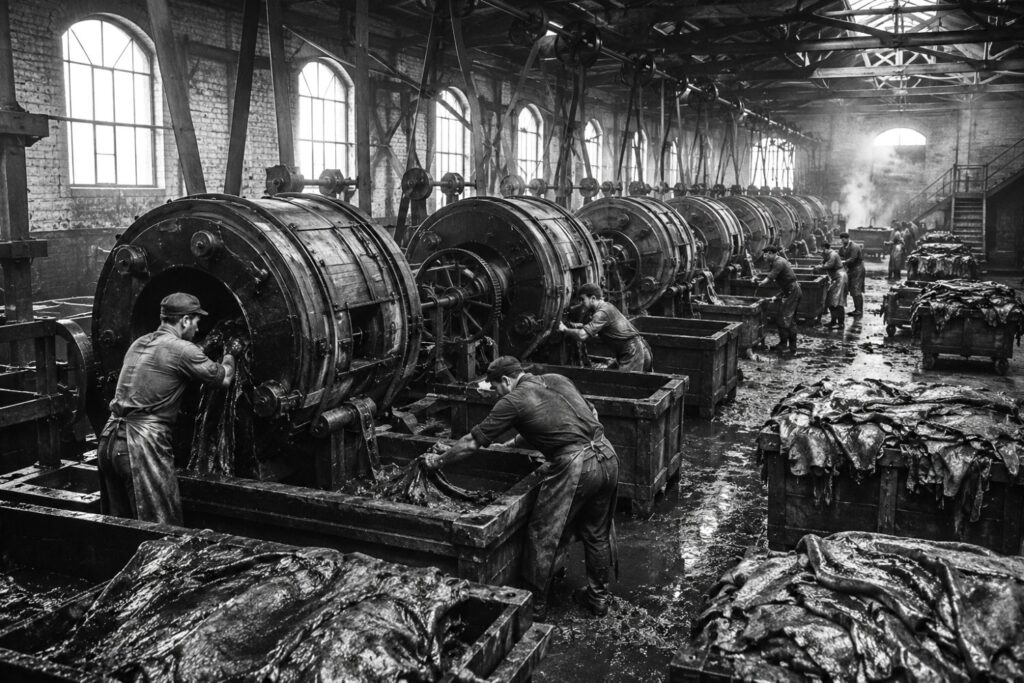
The true transformation of the industry came in the nineteenth century with the introduction of the tanning drum, which accelerated the penetration of tanning agents, and later with the spread of chrome tanning, which made processes faster and paved the way for modern production.
Today, the tanning industry combines:
artisanal tradition;
advanced chemistry;
automation;
quality control;
sustainability and material recovery.
For centuries, the tanning process remained almost unchanged.
Leather today: a material that changes with the design
Contemporary leather is not a single material. The same cowhide can become:
an upper for an elegant shoe;
a structured handbag;
automotive upholstery;
a high-resistance sofa;
a technical accessory.
The difference does not come only from the animal, but from the entire process: origin → selection → tanning → finishing → final use.