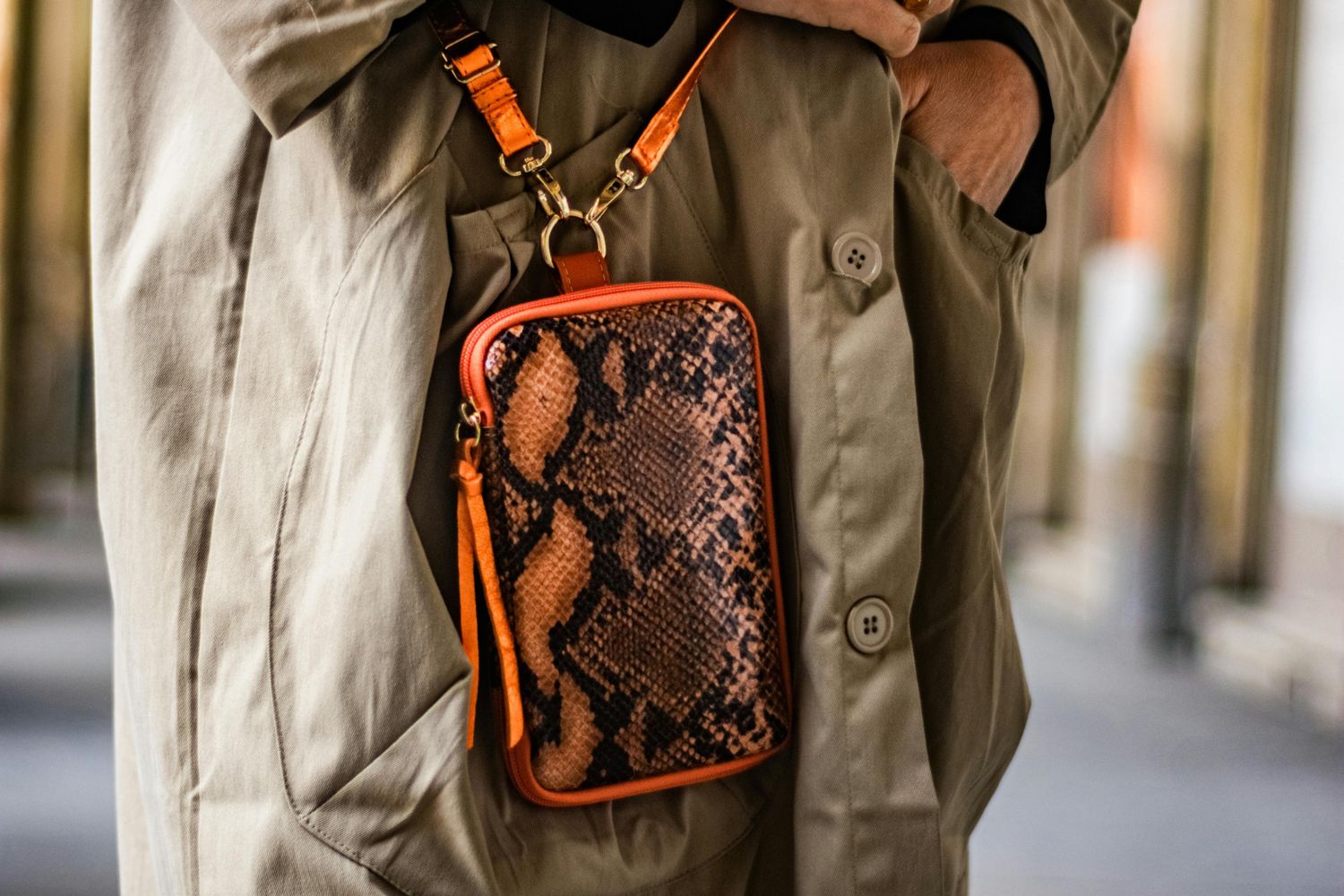
In common usage, the concept of fine leather is often associated with luxury or rarity. However, the value of a leather does not depend solely on the animal origin, but on a much more complex combination of factors.
A leather becomes fine when it can combine:
- quality of the raw material;
- surface uniformity;
- fiber structure;
- aesthetic appeal;
- quality of the tanning;
- durability over time;
- difficulty of processing.
For this reason, there are extremely common leathers that, if properly selected and processed, achieve higher quality levels than rarer materials.
True value arises from the balance between nature and processing.
Evaluation criteria
These are the elements that are assessed to distinguish a fine leather from a common one.
1. Grain quality
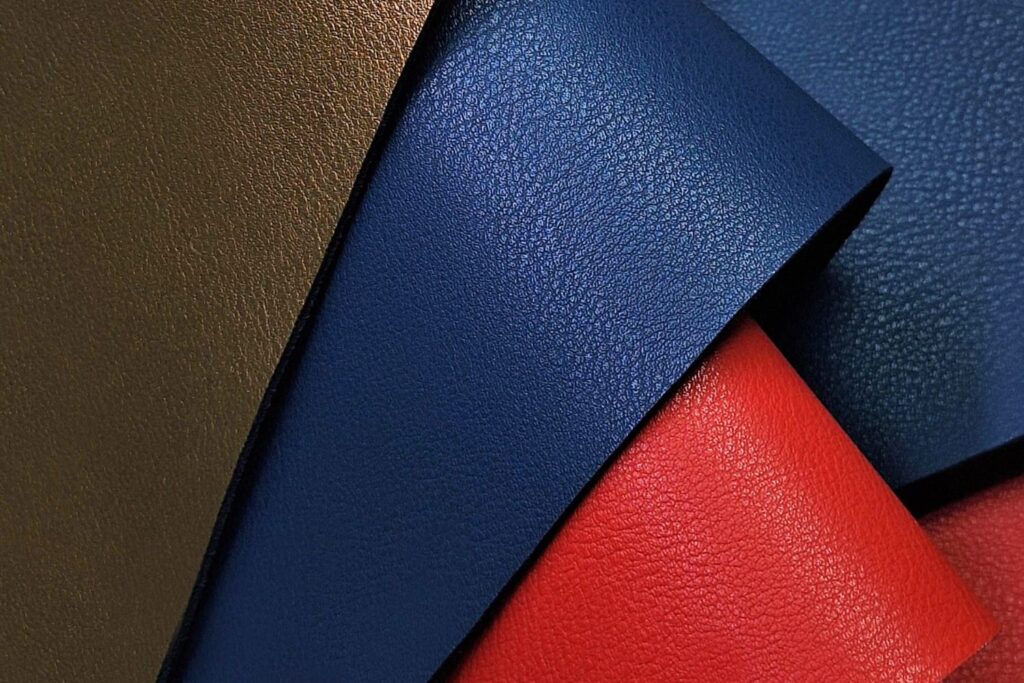
The grain is the outermost surface of the leather. If it is uniform, with regular pores and few imperfections, the value of the leather increases.
2. Fiber fineness
More compact and uniform leather fiber provide greater softness, an excellent response to processing, and better aging over time.
3. Production yield
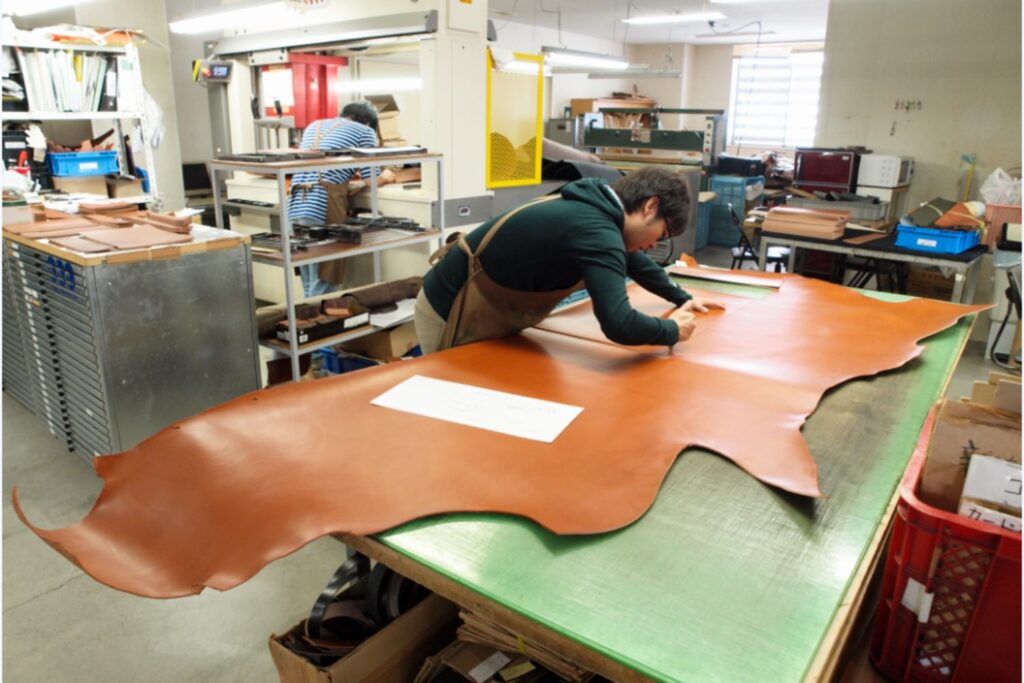
Leathers with few natural defects allow a larger usable surface area and, consequently, increase production yield.
4. Tanning and finishing
A leather of excellent origin can lose value if it is poorly treated. Conversely, excellent tanning can enhance extraordinary natural characteristics.
Types
Il vitello: il riferimento assoluto della pelle di alta gamma
When we talk about fine leather, the first point of reference is almost always calf leather. The characteristics of this leather are very fine fiber, elasticity, softness, and uniformity.
Its main uses are:
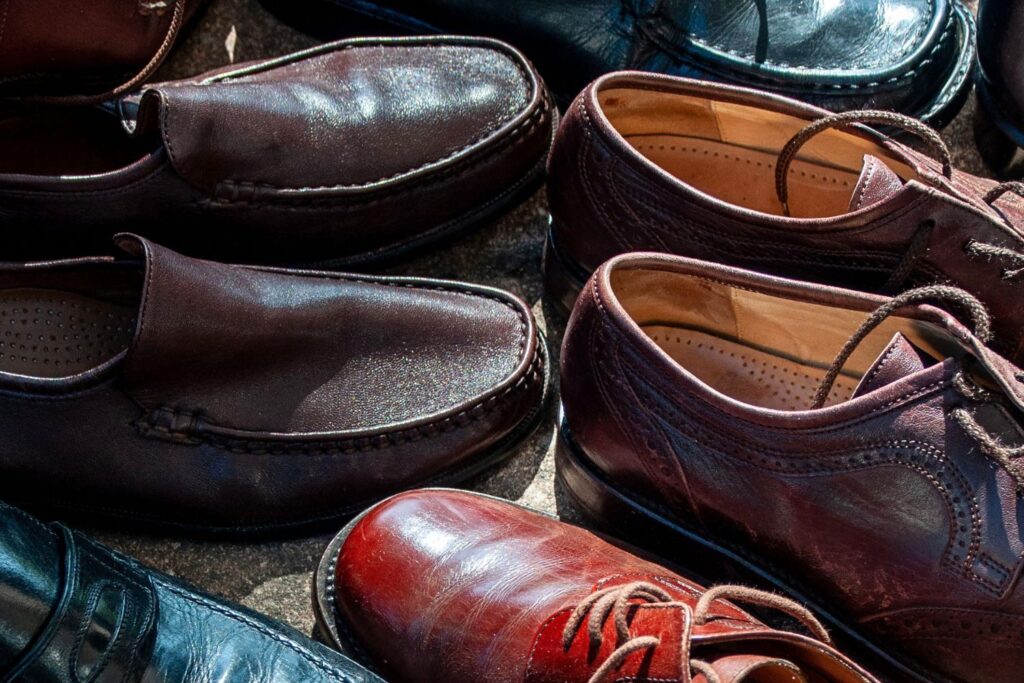
- high-end footwear;
- luxury leather goods;
- small leather goods;
- premium accessories.
Full-grain calf leather still represents one of the most widely recognized quality standards today.
Full grain leather: the value of naturalness
Full grain does not refer to an animal species but to a type of processing. It is considered one of the highest-quality materials. Tanning can be carried out either with chrome or vegetable tanning.
The characteristics of grain leather are the preservation of the natural surface, the development of a patina over time, and greater breathability.
Due to its uniqueness, it is not entirely uniform, and each piece is slightly different from the others.
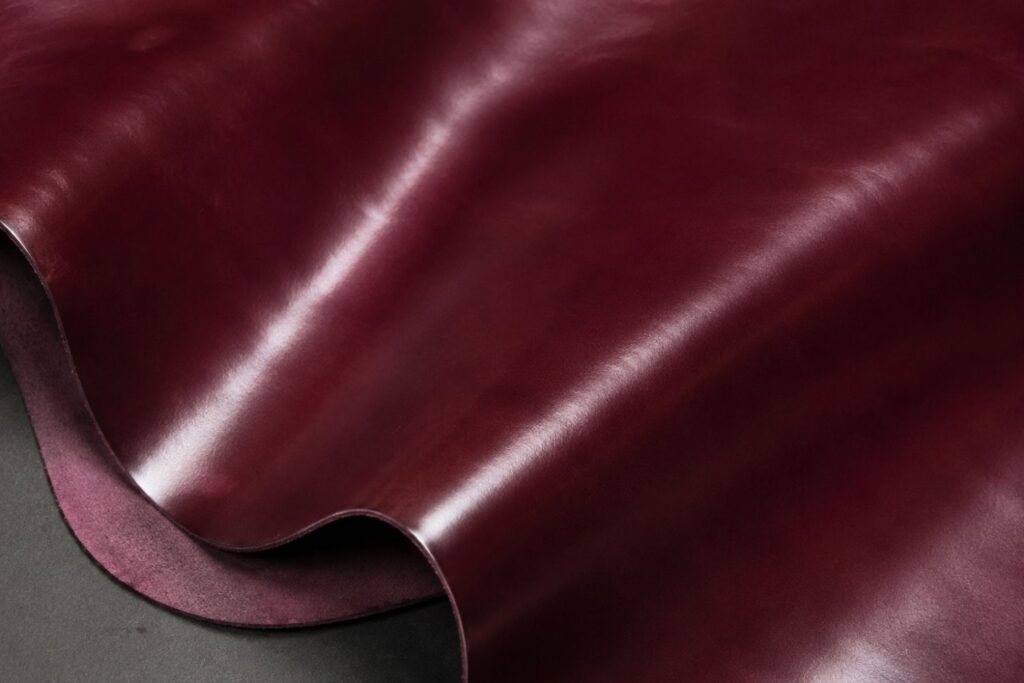
Cordovan: durability and prestige
Cordovan is an equine leather mainly used to produce shoes.
The parts used are the croups, the hindquarters of the horse; for this reason, it is often referred to as “shell Cordovan”. Only these parts are used due to their very dense fiber structure, which ensures durability and resistance.
Because of this limited selection, cordovan leather is highly prized and has a high price. From one animal, enough leather can be selected to make only one pair of shoes.
The production process differs from that of classic bovine leather. Production time is about 6 months and involves numerous processing stages.
It is the flesh side that is processed rather than the grain side, which, after numerous stages of processing, will appear smooth and glossy like the outer side. The final finishing is done with wax, making the leather even more lustrous.
Main applications:
- high-end footwear;
- small leather goods;
- artisanal products.
The true luxury of today: quality rather than rarity. For many years, the concept of fine leather has been associated with rarity. Today, the industry is shifting toward a different concept: value means quality of the raw material, excellent craftsmanship, and durability over time.
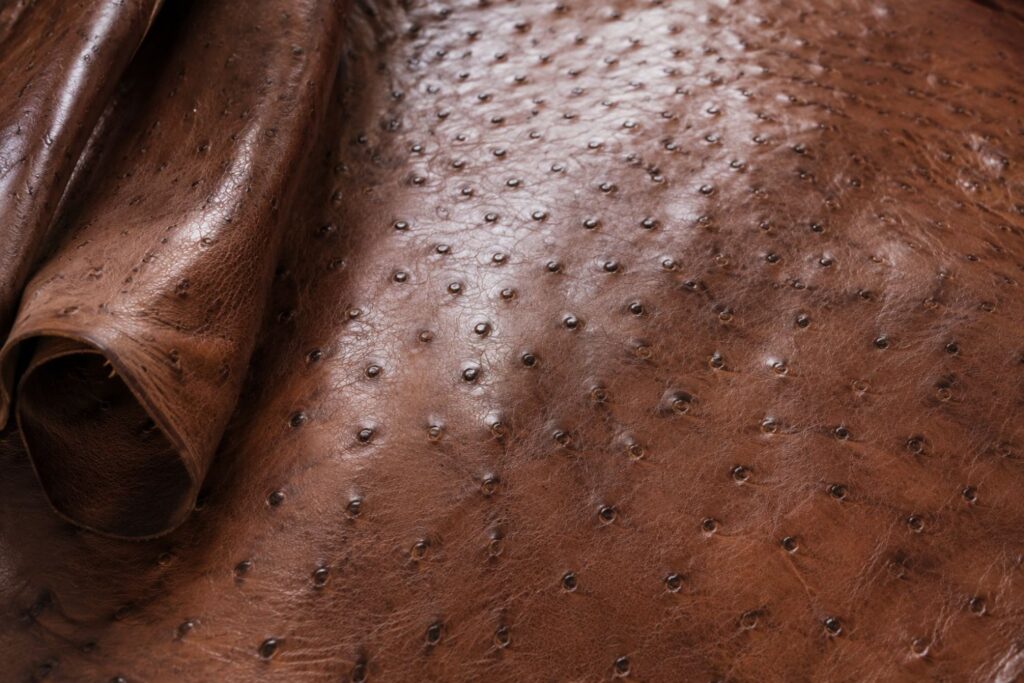
Ostrich leather: recognizability and softness
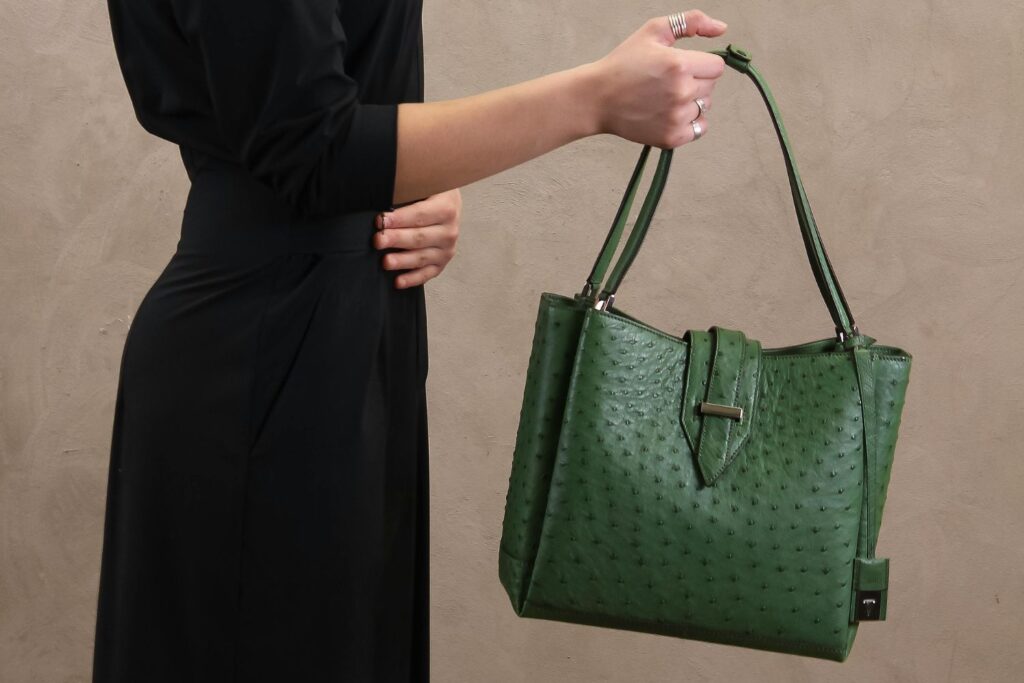
Ostrich leather is recognizable by its surface with raised follicles.
Its main characteristics are:
- Durability: highly resistant to wear, making it perfect for every day-use product.
- Softness: despite being resistant, ostrich leather is also very soft.
- Flexibility: easy mouldable and shapeable, making it suitable for various uses.
- Breathability: the leather is naturally breathable, adding comfort to products, especially footwear and clothing.
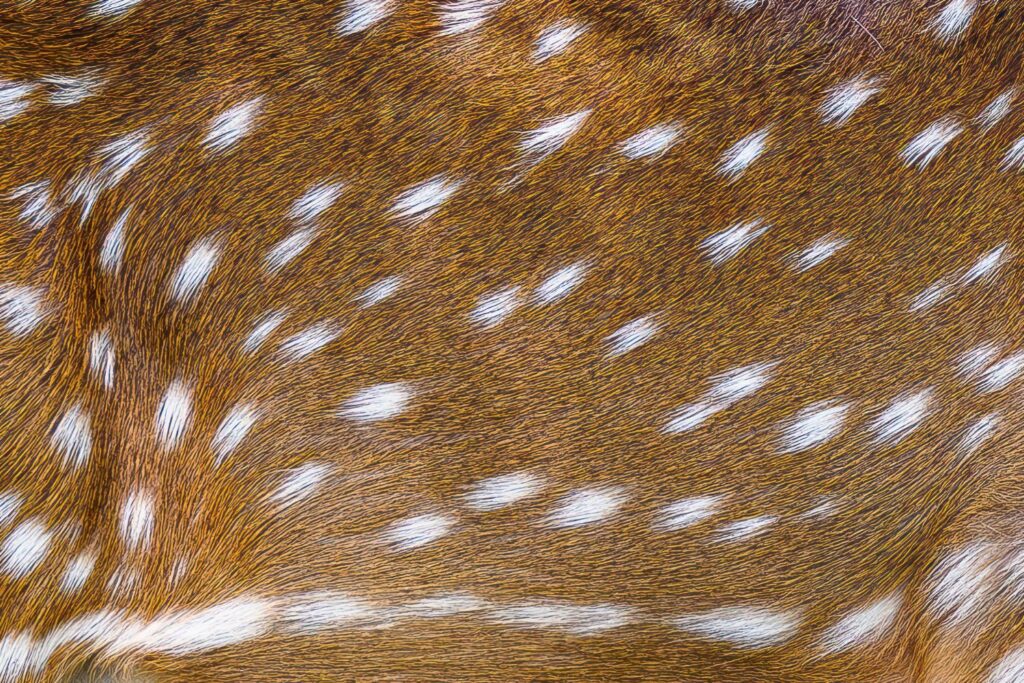
Deerskin: natural softness
Deerskin is appreciated for its qualities, softness, and durability, making it an excellent choice for luxury fashion.
Its main characteristics are:
- Softness: deerskin is very soft, offering comfort and elegance to the products made from it.
- Breathability: naturally breathable, making it suitable for clothing and footwear.
- Durability: despite being soft, it is also very strong, giving the finished product strength and longevity.
- Flexibility: another characteristic is flexibility, adapting to movement and shape with use.
- Visible grain: deerskin has a natural appearance with clearly visible grain, adding further aesthetic value to material.
One of the most notable aspects of deerskin is its natural, textured appearance, which adds aesthetic quality to the material.
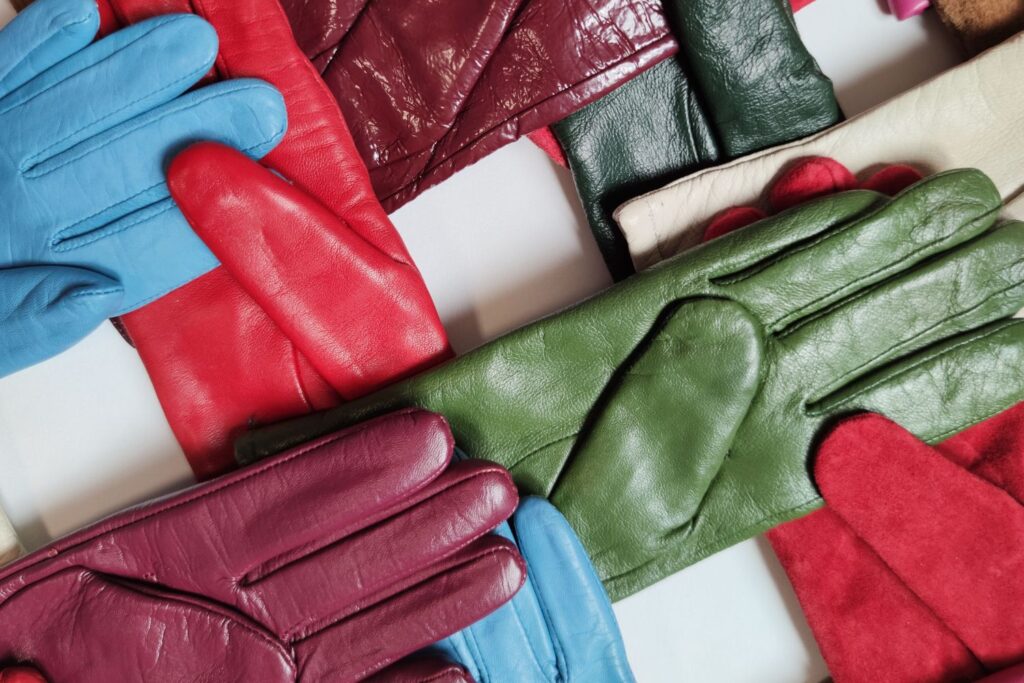
Its main applications are:
- gloves;
- clothing;
- bags and accessories.
Crocodile leather: one of the most recognizable and exclusive leathers
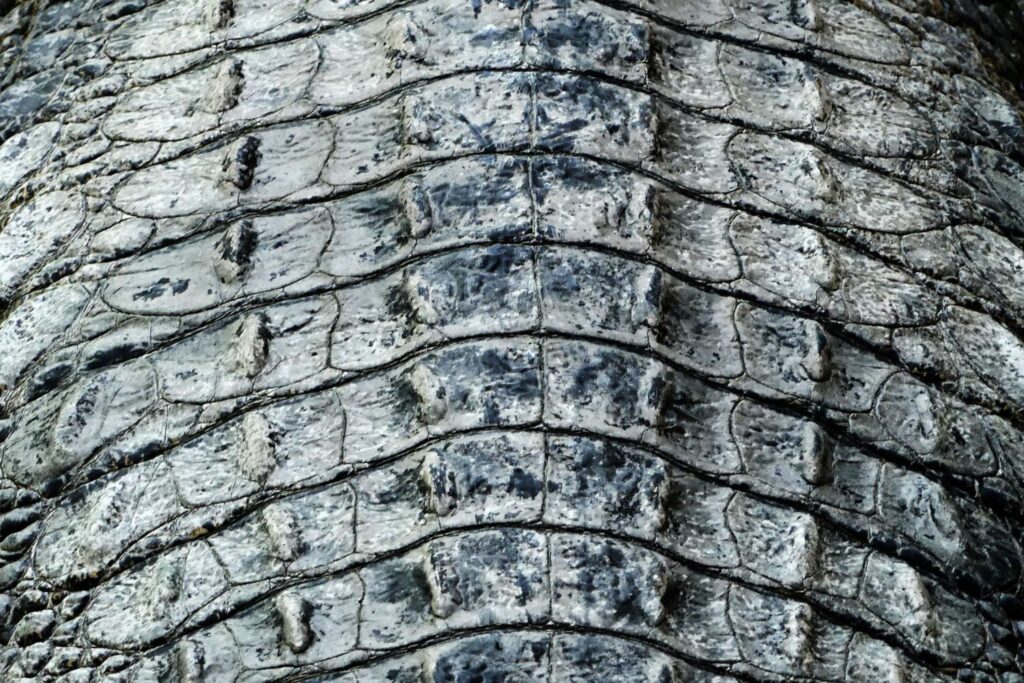
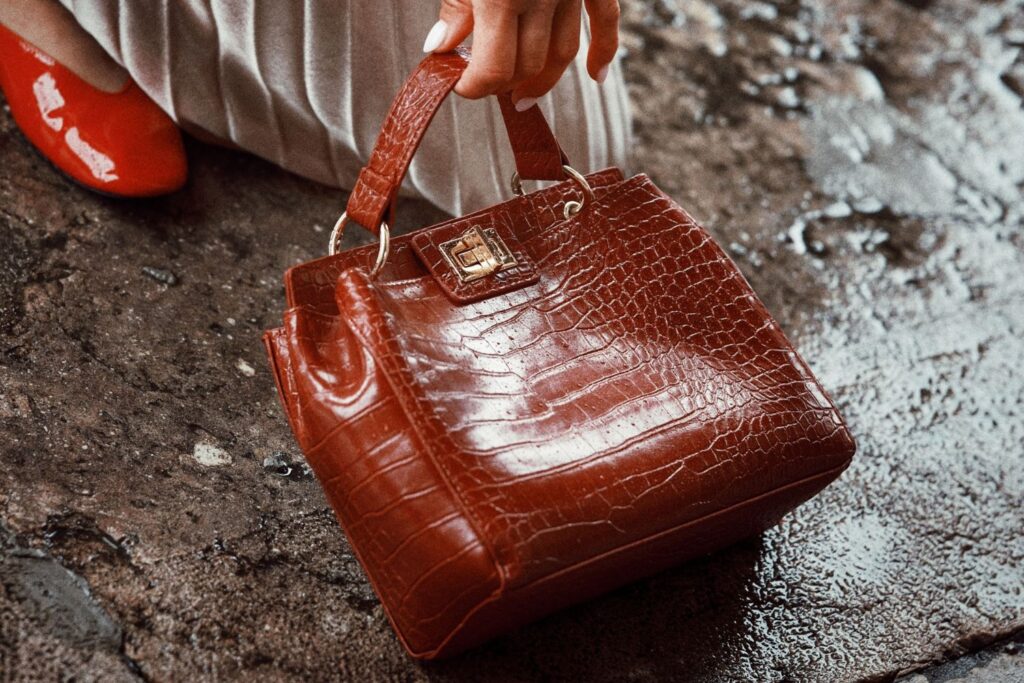
Among the leathers, historically considered the finest, crocodile occupies a special position. Its value does not depend simply on rarity but on a combination of factors:
- scale regularity;
- softness after tanning;
- usable panel size;
- aesthetic yield;
- difficulty of processing;
- origin.
In contemporary industry, the value of these leathers is not determined by aesthetic alone; increasingly important factors include the documented origin of the hides, controlled farming, regulatory compliance, tanning quality, and supply chain continuity.
For this reason, two leathers both define as “crocodile” can have completely different values and end uses.
In the high-end leather goods market, four main families are generally considered:
1. Alligator mississippiensis – Main origin: United States
The American alligator is probably the most recognized leather in the high-end segment, representing American luxury. Its distinctive feature is that the scales tend to be more harmonious and less aggressive than those of other species.
Its characteristics are very regular central scales, orderly surface, soft hand feel, excellent aesthetic yield.
Its main applications are high-end bags, small leather goods, footwear, and watch straps.
2. Crocodylus niloticus – Main origin: South Africa, Zimbabwe, Zambia
It is one of the most widely used leathers in international luxury. It represents the standard in European luxury leather goods. It offers very balanced panels and strong visual elegance.
Its characteristics are finer scales, high uniformity, excellent coloration, and great versatility.
Its main uses are bags, accessories, and tailored leather goods.
3. Crocodylus porosus – Main origin: Australia, Singapore, Thailand
Also known as saltwater crocodile, it is often considered the ultimate benchmark in the ultra-premium segment. The ventral area produces very large and uniform panels.
Its characteristics are extremely symmetrical scales, a very clean surface, and high commercial value.
It is mainly used in top-tier leather goods, limited and special editions, and special craftsmanship.
4. Caiman crocodilus – Main origin: Brazil, Colombia
The caiman belongs to a different family from true crocodiles. Compared to alligators and crocodiles, it has fewer uniform scales and is usually a more affordable leather, offering durability and a natural appearance.
Its characteristics are smaller and more irregular, more pronounced scales, more visible surface bone structures, and a less soft hand feel. It has a very strong consistency and is immediately recognizable.
Its main applications are accessories and structured leather goods.
Snakeskin: lightness, natural pattern, and aesthetic identity
Among the most distinctive leathers in the world of leather goods, snakeskin holds a special position for its balance of lightness, flexibility, and strong aesthetic character.
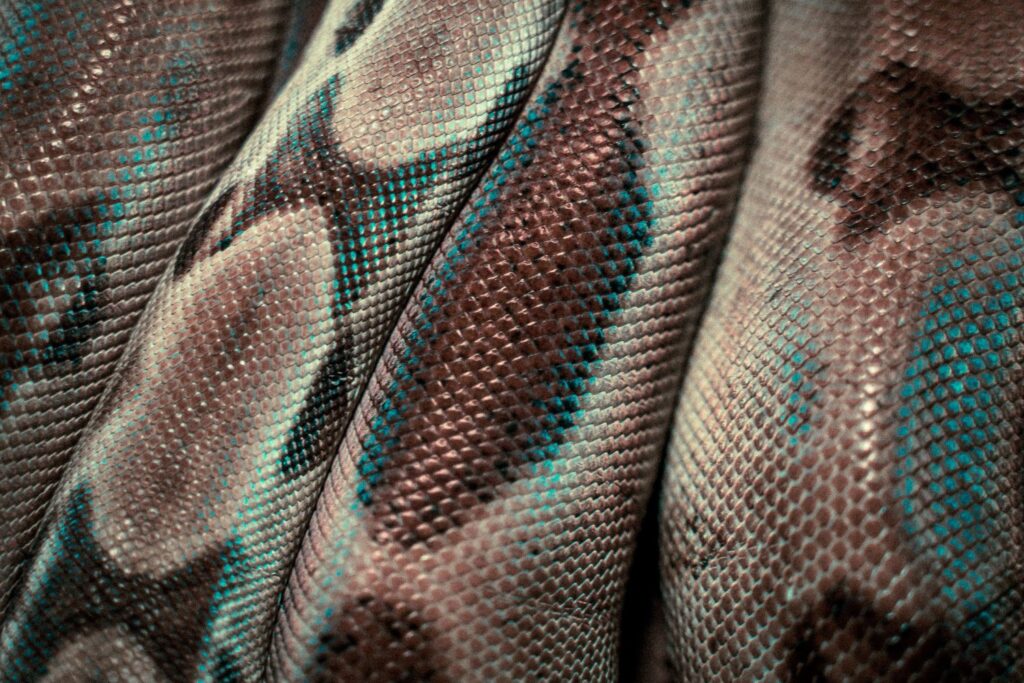
Unlike other fine leathers, the value of snakeskin does not primarily depend on panel size or structural strength, but on the regularity of its natural pattern, the quality of its scales, and the tanning process. The surface in fact preserves a geometric texture that makes each piece naturally different from the others.
In the leather goods market, the most well-known materials generally phyton (Phyton Reticulatus), whose main origins are Indonesia, Malaysia, and Thailand.
Snakeskin is probably the most widely used in high-end leather goods.
Its characteristics are large and clearly visible scales, high flexibility, excellent colour rendering, and strong aesthetic recognizability.
Unlike calfskin or crocodile, here the value is often linked to specific parameters.
The main evaluation factors are pattern symmetry, scale integrity, surface uniformity, softness after tanning, dye quality, and panel yield.
A high-level processing can preserve the natural relief without making the material rigid. It is rarely chosen for items that require high structural resistance.
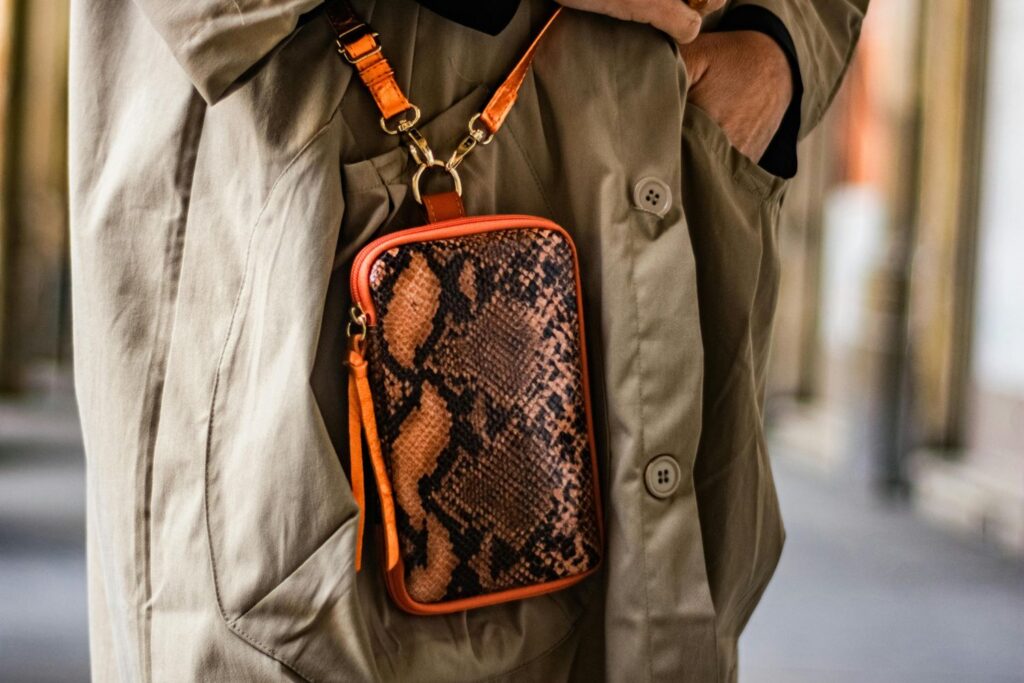
The main uses are small leather goods, bags, decorative inserts, footwear, and accessories.
Today, the value of snakeskin is not linked only to its aesthetic appearance, but other factors are also important, such as:
- traceability of origin;
- international regulatory compliance;
- tanning quality;
- continuity of the production chain.
For this reason, two products both described as “snakeskin” can have very different characteristics and value.