The main types of leather and their characteristics
When talking about leather, it is often assumed to be a single material, but in the tanning and manufacturing industry the term “leather” includes a wide variety of materials with very different characteristics.
Two products made from leather can have completely different behaviour, appearance, durability, and value.
The difference comes from a combination of factors:
animal species of origin;
age of the animal;
natural fiber structure;
area of the hide used;
tanning method;
surface treatments;
final destination of the product.
Knowing the main types of leather means understanding why a leather is chosen for an elegant shoe, a structured handbag, a sofa, or a technical item.
How leather is classified
Leather classification can follow four main criteria:
By animal origin: the most immediate classification
By surface structure: based on grain quality and surface characteristics
By processing: depending on the type of finishing
By final use: according to the target product.
Animal origin
Bovine leather: the sector reference
Bovine leather is the most widely used material in the production of leather goods. The bovine family (Bovinae) is wide and includes different types of hides: cows, bulls, buffalos, calves, and bison.
Cattle are primarily raised for meat and milk, and the hide is a by-product that is recovered through tanning. This process transforms it into a strong, durable, workable, and versatile material that can be used in many different applications. Some examples include:
footwear;
leather goods;
furniture;
automotive;
accessories.
Bovine leather is not all the same, but it is divided into several categories:
Calf: it is the most prized variant and mainly used by luxury brands. It has fine fibers, a soft hand feel, and a uniform surface. The most common applications are elegant shoes, high-end leather goods, and premium accessories.
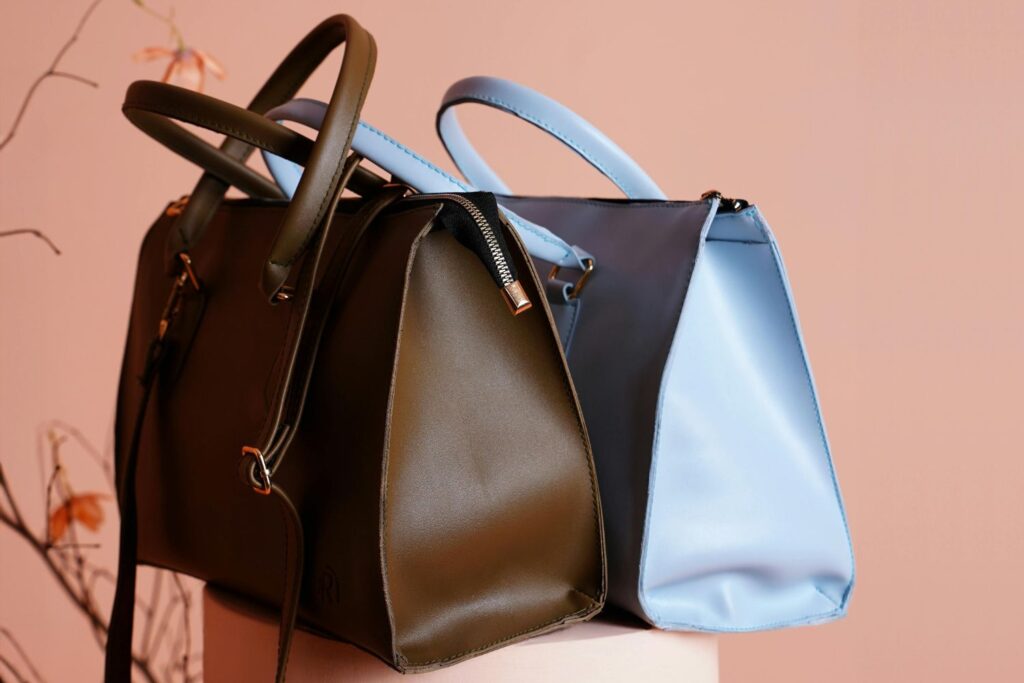
Cow: it has greater structure and sturdiness. Its main uses are handbags, furniture, saddlery.
Bull: characterized by greater thickness and higher resistance. Its main uses are technical items, belts, structured products.
Goat lather: compactness and elegance
Goat leather is valued for its compact and durable structure. It has a high-quality appearance both to the touch and to the sight. Goath leather is fine, remaining soft even over time.
Its characteristics include:
high elasticity;
light weight;
good mechanical resistance;
distinctive natural grain.
Its most common uses are:
gloves;
small leather goods;
lightweight footwear;
fashion items.
Sheep leather: softness and lightness
Sheep leather is among the softest available. It comes from the hides of sheep, lambs, and rams. The material is considered valuable and versatile and is widely used in tanning and leather goods production.
Its characteristics are:
softness;
extreme flexibility;
low weight;
high comfort.
The limitations of this type of leather are lower resistance compared to bovine leather and greater sensitivity to wear.
Its main uses are:
clothing;
gloves;
luxury footwear;
high-fashion accessories.
The leathers come from different breeds of sheep and lambs, each with its own characteristics. The most well-know are:
merino: with fine and soft fibers. Ideal for producing nappa and suede leathers;
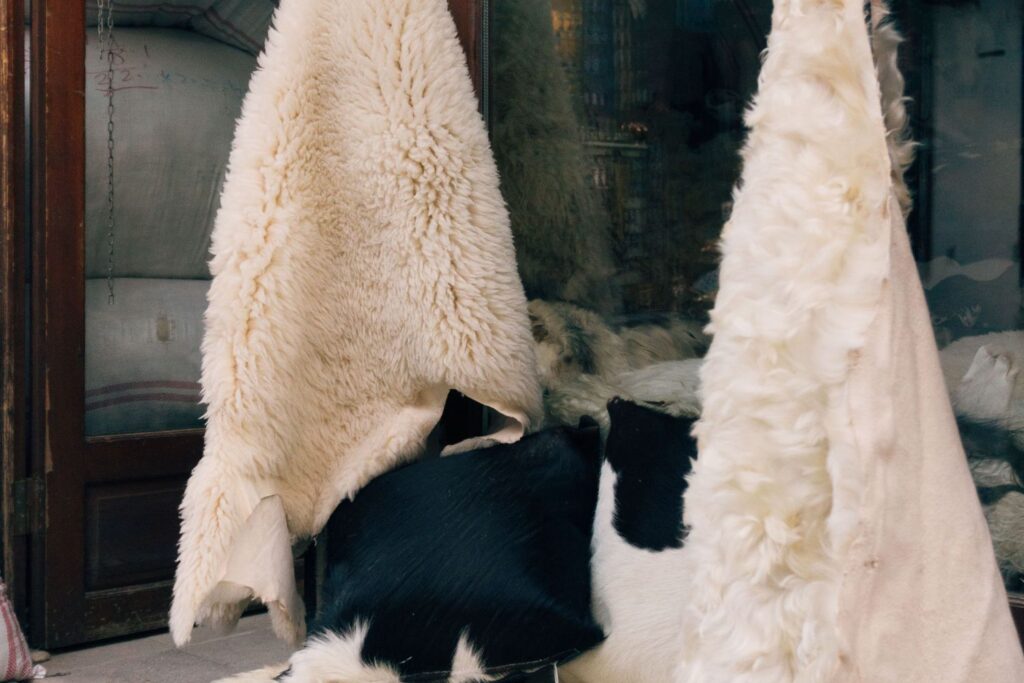
shearling: perfect for making shawl, jackets, or coats;
suffolk: used for upholstery and durable leathers;
corriedale sheep: mainly used for clothing and accessories.
Buffalo leather: character and resistance
Buffalo leather has a more pronounced grain, greater thickness, and higher solidity compared to cowhide. It is highly resistant to tears, heat, and mold. Its main characteristics are:
strong aesthetic identity;
high durability;
long-term.
It is mainly used for:
furniture;
structured handbag;
durable accessories such as saddlery, leashes, and animal collars.
Surface structure
Another important classification is based on the final surface structure, which can be left natural, modified through mechanical processes, or chemically treated. Not all leather has the same value.
Full-grain leather
Full-grain leather is the outermost layer of the animal’s epidermis and has not undergone significant processing that alters its appearance. It is the most valuable and premium part of the hide. Its characteristics are:
natural surface;
maximum breathability;
evolutionary aging.
It most common uses are:
high-end products;
footwear;
leather goods.
Corrected grain leather
Corrected grain leather is the outermost layer of the hide; it is sanded slightly to remove natural imperfections. Its advantages are:
constant aesthetics;
high production yield.
Its main applications are:
large scale production;
furniture.
Cow split leather
Cow split leather comes from the lower layers of the hide, which remain after the top grain layer has been separated. It is a more affordable type of leather compared to grain leather. Its characteristics are:
less compact surface;
fibrous texture;
higher workability.
Its main applications are:
fashion items;
low-cost accessories;
upholstery.
Nubuck
The name “nubuck” comes from the combination of the words “new” and “buck”, referring to the hides of young deer that were originally used in its production.
Over the years, the term has expanded to also include other types of leather such as bovine or calf leather. The surface of this leather is smooth and is obtained through sanding and buffing, which distinguishes it from others. To the touch, it resembles suede leather but is much more durable. Its characteristics are:
softness
breathability
Its most common applications are:
shoes
premium accessories.
Suede
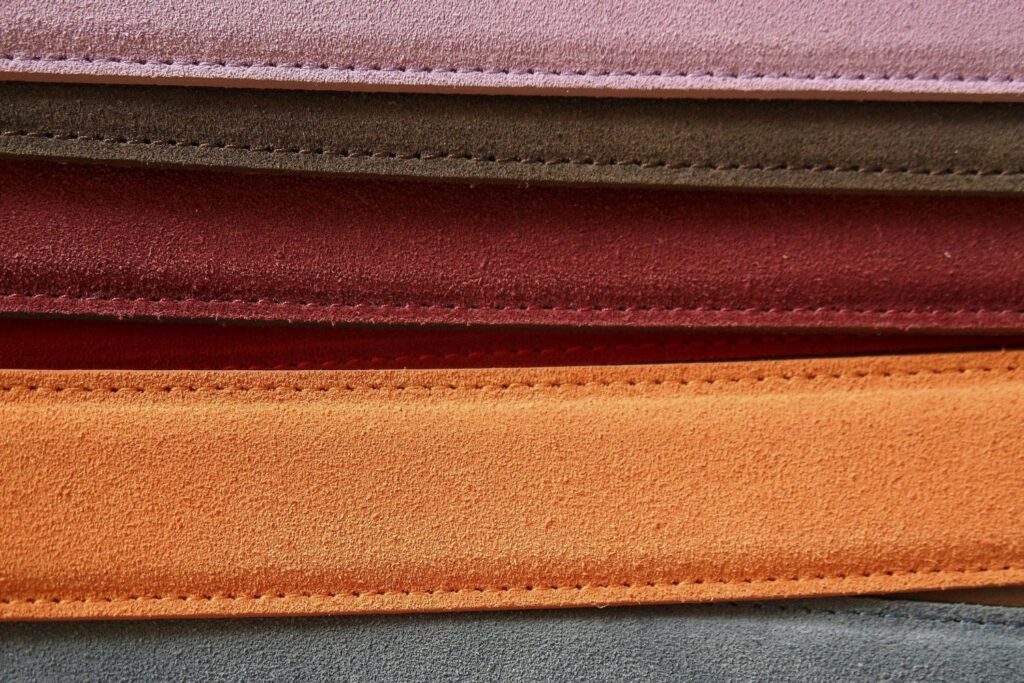
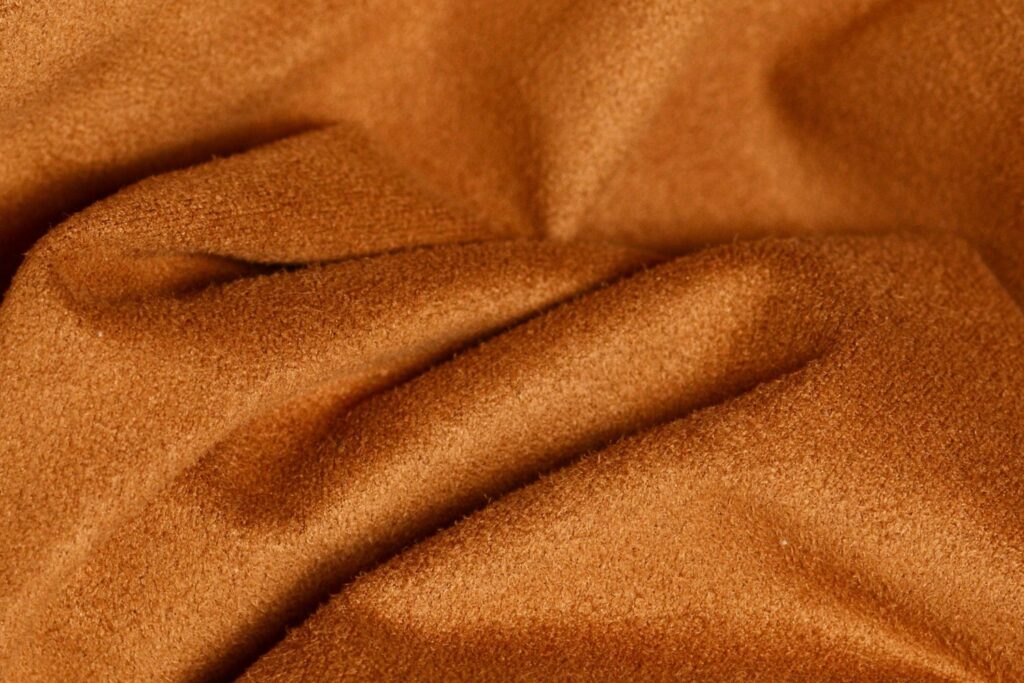
Suede comes from the lower, less noble layer of the hide. It is softer and more flexible than grain leather, but less durable. The surface is soft and matte.
Despite its name, most suede comes from bovine, ovine, or goat hides.
Its main applications are:
footwear;
clothing;
accessories.
Which leather to choose for each product
Product
Recommended leather
Characteristic
Elegant shoe
Full-grain calf
Finesse
Sneaker
Soft calf
Comfort
Handbag
Cowhide
Structure
Belt
Bull leather
Resistance
Sofa
Finished bovine leather
Durability
Glove
Goat or sheep
Softness
There is no such thing as a better or worse type of leather. The best leather to use depends on the type of product you want to make.
So, the question should not be “What is the best leather?” but rather “Which leather is most suitable for the product I want to make?”.
Quality always comes from the balance between raw material, processing, and final use.